Regional insights
Florida is six different storm states
HVHZ codes in Miami-Dade and Broward. Historic-district review boards in Palm Beach. Post-Ian rebuilding rules in Southwest Florida. Inland HOA realities and lakefront wind fetch across Central Florida. Post-Helene and post-Milton surge zones from Tampa to the barrier islands. National advice misses what actually matters in each of them — so we cover all six, with the same independence on every page.
Six regions · Neighborhood-level guidance · Verified homeowner reviews where available
~2.7M residents
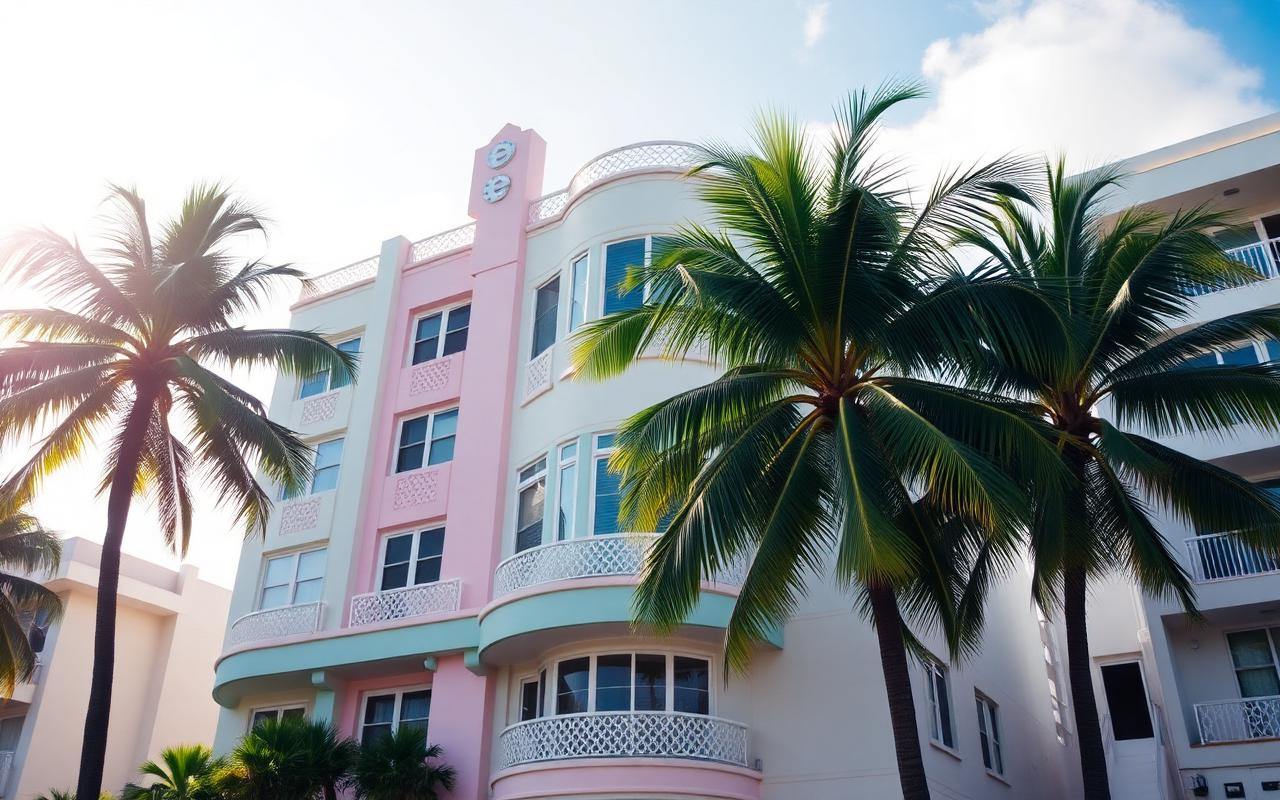
Miami-Dade County
Miami-Dade sits inside Florida's High-Velocity Hurricane Zone (HVHZ), the strictest wind region in the country. Anything installed here — from a single shutter to a full impact window package — must carry a Miami-Dade Notice of Acceptance (NOA), not just a Florida Product Approval. Salt spray off Biscayne Bay and constant humidity also wear on hardware faster than most homeowners expect.
Read regional guide →
~1.9M residents
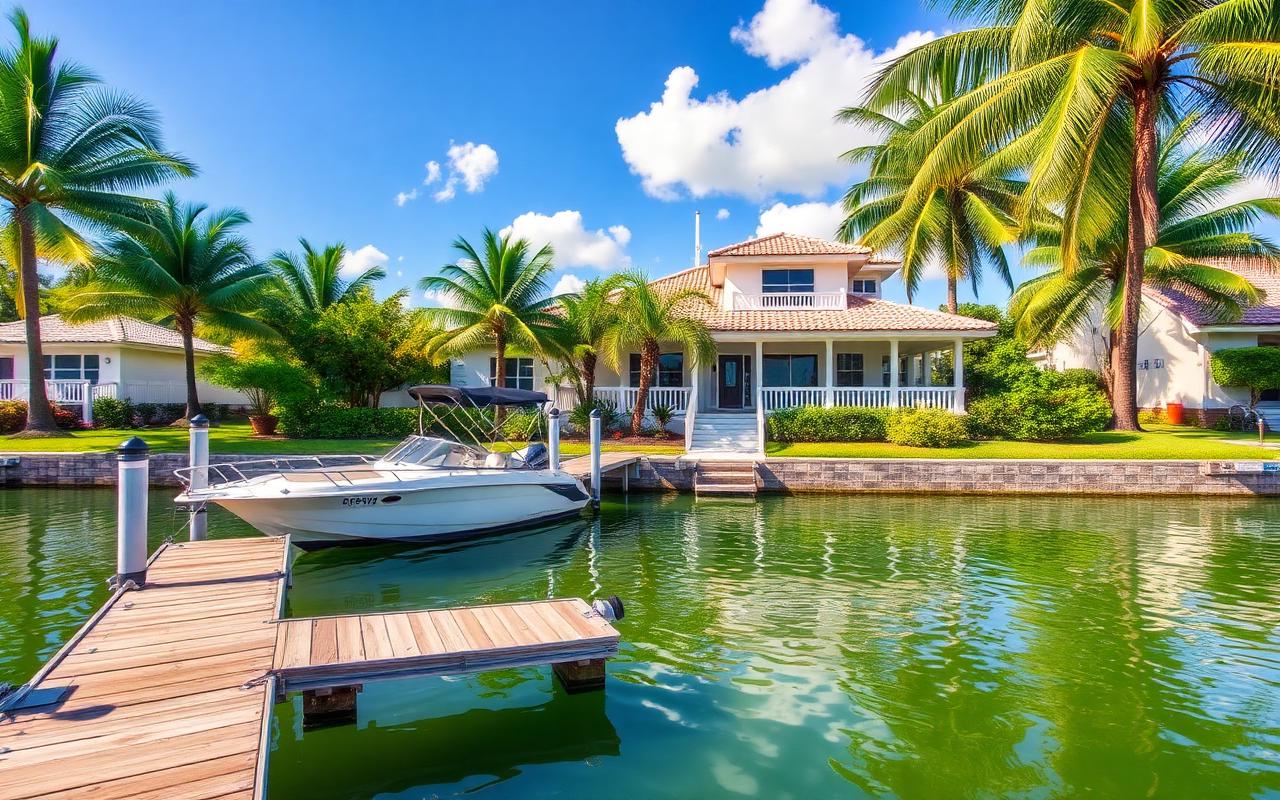
Broward County
Broward is also inside HVHZ, but the housing stock skews differently than Miami-Dade — more single-story ranch homes, more canal frontage, and a much larger inventory of 1970s–80s construction that was never engineered for modern code. That mix changes which protection makes sense.
Read regional guide →
~1.5M residents
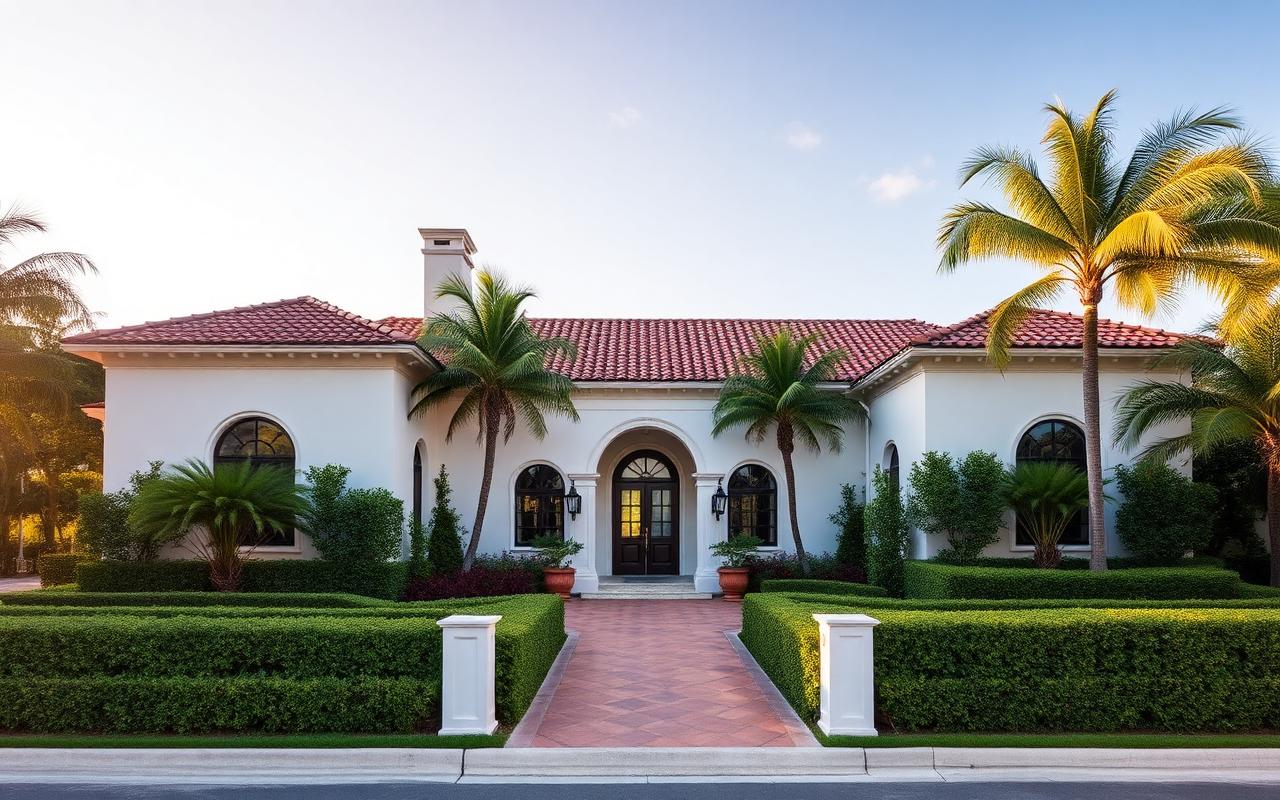
Palm Beach County
Palm Beach County still falls under HVHZ along the coast and shifts to standard Florida Building Code further inland. The difference matters: a home in West Palm needs different product approvals than one in Wellington or Loxahatchee. Historic-district homes add another layer.
Read regional guide →
~1.2M residents
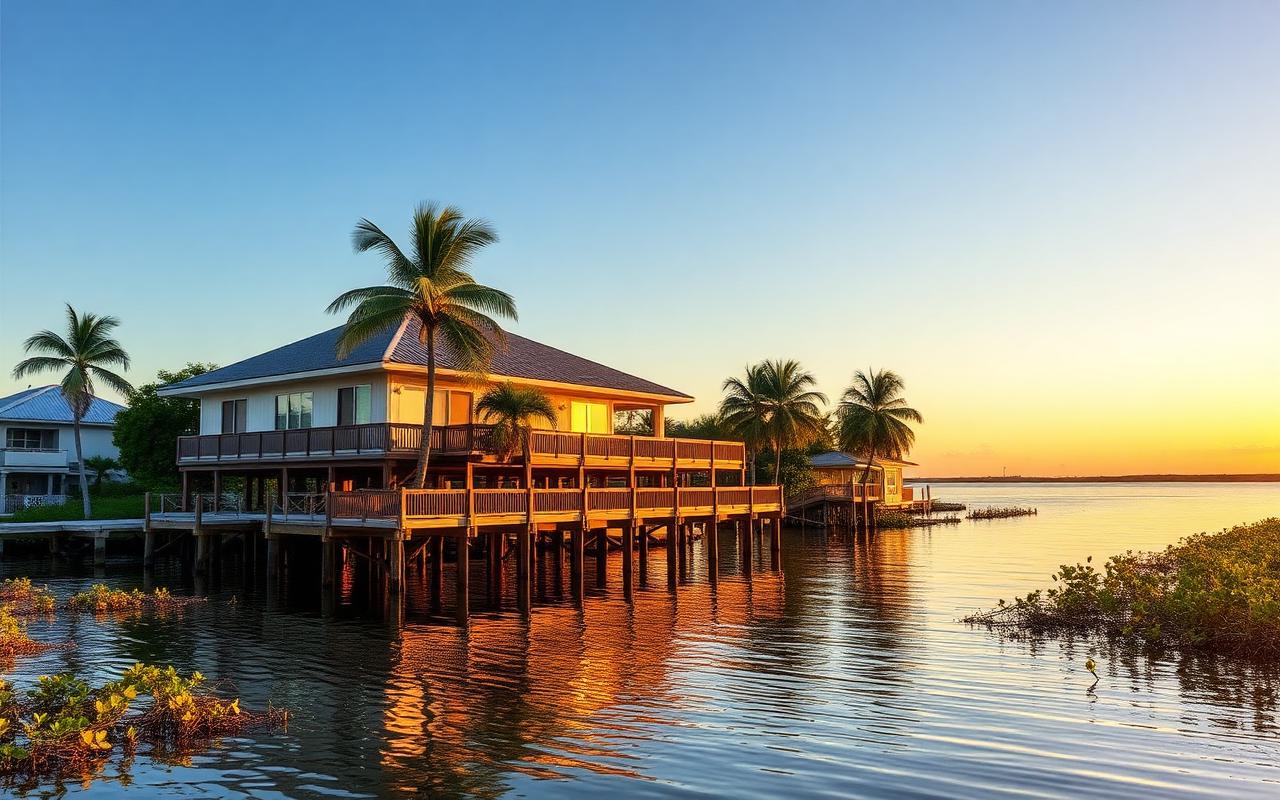
Southwest Florida
Cape Coral, Fort Myers, Sanibel, and Naples have a fundamentally different storm exposure than the Atlantic coast. Storm surge — not just wind — drives the worst losses, and post-Ian rebuilding has reshaped what "good protection" means here.
Read regional guide →
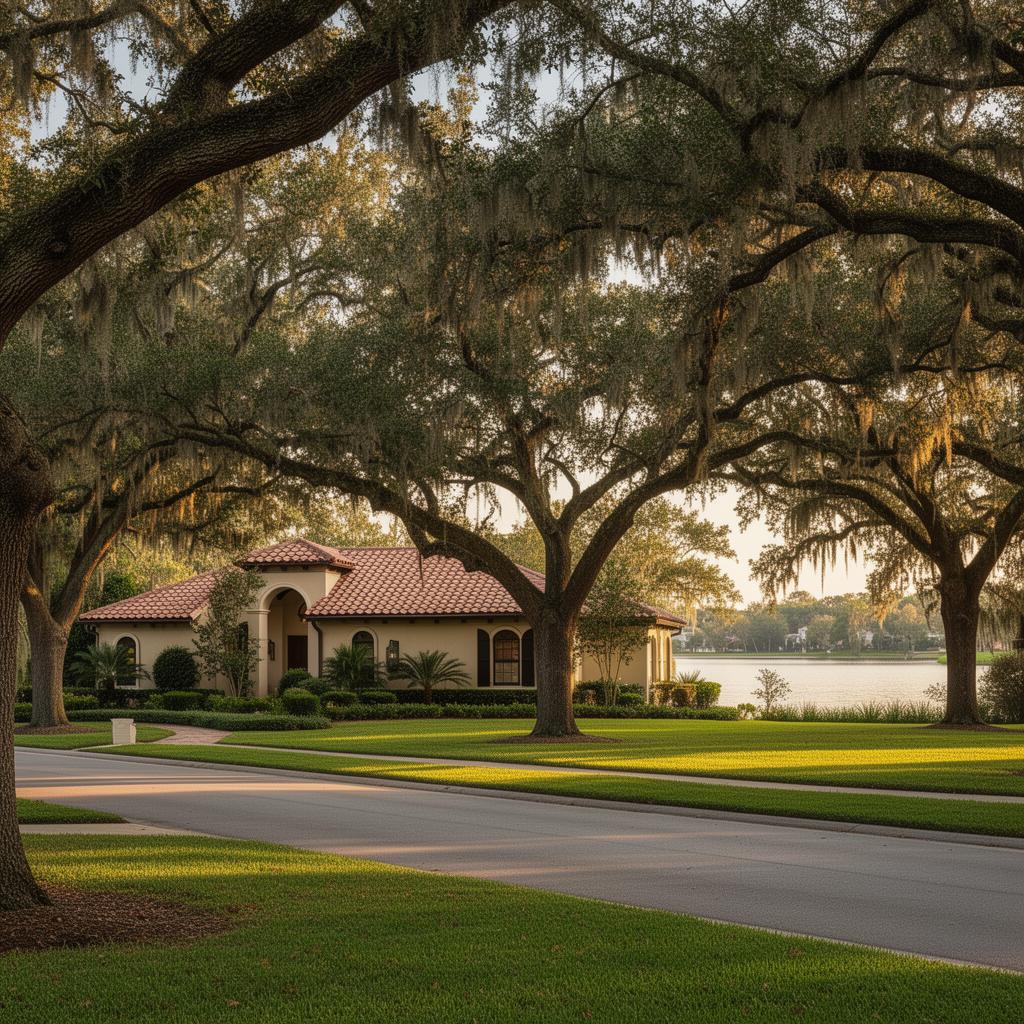
~2.7M residents in Orange + adjacent counties
Central Florida
Central Florida is the most under-shuttered metro in the state, and it's a mistake. The Orlando area sits a hundred miles from either coast, which fools homeowners into thinking they're safe — but Hurricane Charley (2004), Irma (2017), and Ian (2022) all delivered sustained tropical-storm to Cat-1 winds well inland. Most homes here are unprotected. The neighborhoods that take this seriously share three traits: master-planned HOAs that push back on visible accordion housings, lakefront exposure with long wind fetch over open water, and older Winter Park / College Park stock that needs careful opening assessment before any retrofit. Code-wise, Central Florida is standard Florida Building Code — not HVHZ — so the product approval conversation is FL numbers, not Miami-Dade NOAs.
Read regional guide →
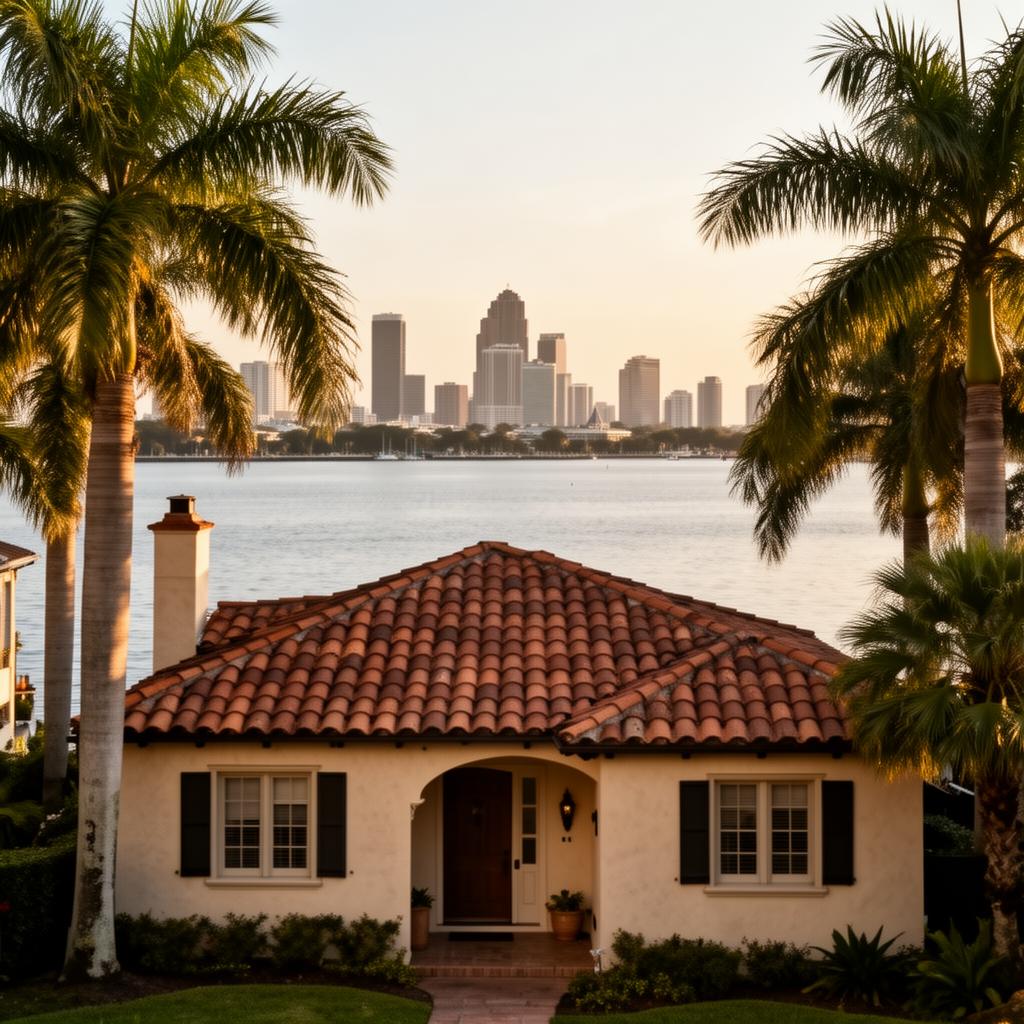
~3.2M residents across the metro
Tampa Bay
Tampa Bay's hurricane exposure is surge-first, wind-second — but Hurricane Helene and Hurricane Milton in 2024 made it clear that wind damage at landfall is no longer hypothetical here. The metro spans three very different risk profiles: barrier-island and coastal Pinellas (storm-surge primary), urban South Tampa and St. Pete (wind plus moderate surge), and inland Hillsborough / Pasco (wind only). The right hurricane protection in Tampa Bay depends as much on which side of the bay you live on as on what product you pick. Tampa Bay sits under standard Florida Building Code — not HVHZ — so FL product approvals govern, not Miami-Dade NOAs. The local complications are evacuation-zone planning, older South Tampa wood-frame stock, and master-planned communities (FishHawk, Lakewood Ranch, Wesley Chapel) with HOA restrictions on visible accordion housings.
Read regional guide →